Der ultimative Quellenratgeber für einen Premium-Hersteller von Camping-Taschenlampen
Die Falle des "Einwegspielzeugs": Warum Plastik in freier Wildbahn versagt
In den sehr wettbewerbsintensiven Outdoor-Einzelhandels- und Wildnis-Lieferketten ist ein großes Risiko für Sourcing-Manager die Verbreitung von langlebiger Verbraucherhardware. Viele günstige Lieferanten geben sich als qualifizierte aus.Hersteller von Camping-Taschenlampensie bauen ihre Gehäuse hauptsächlich aus günstigen spritzgegossenen Kunststoffen, wie Standard-ABS oder minderwertigen Polycarbonaten. Obwohl diese Materialien leicht und kostengünstig in der Herstellung sind, stellen sie unter Feldbedingungen erhebliche Ausfallrisiken dar. Bei unter null Grad alpinen Temperaturen erleiden diese Polymere eine strukturelle Versprödung, wodurch das Gehäuse zerbrechlich wird und bei einem einfachen Aufprall auf einen Felsen oder harten Boden reißen oder zerbrechen kann.
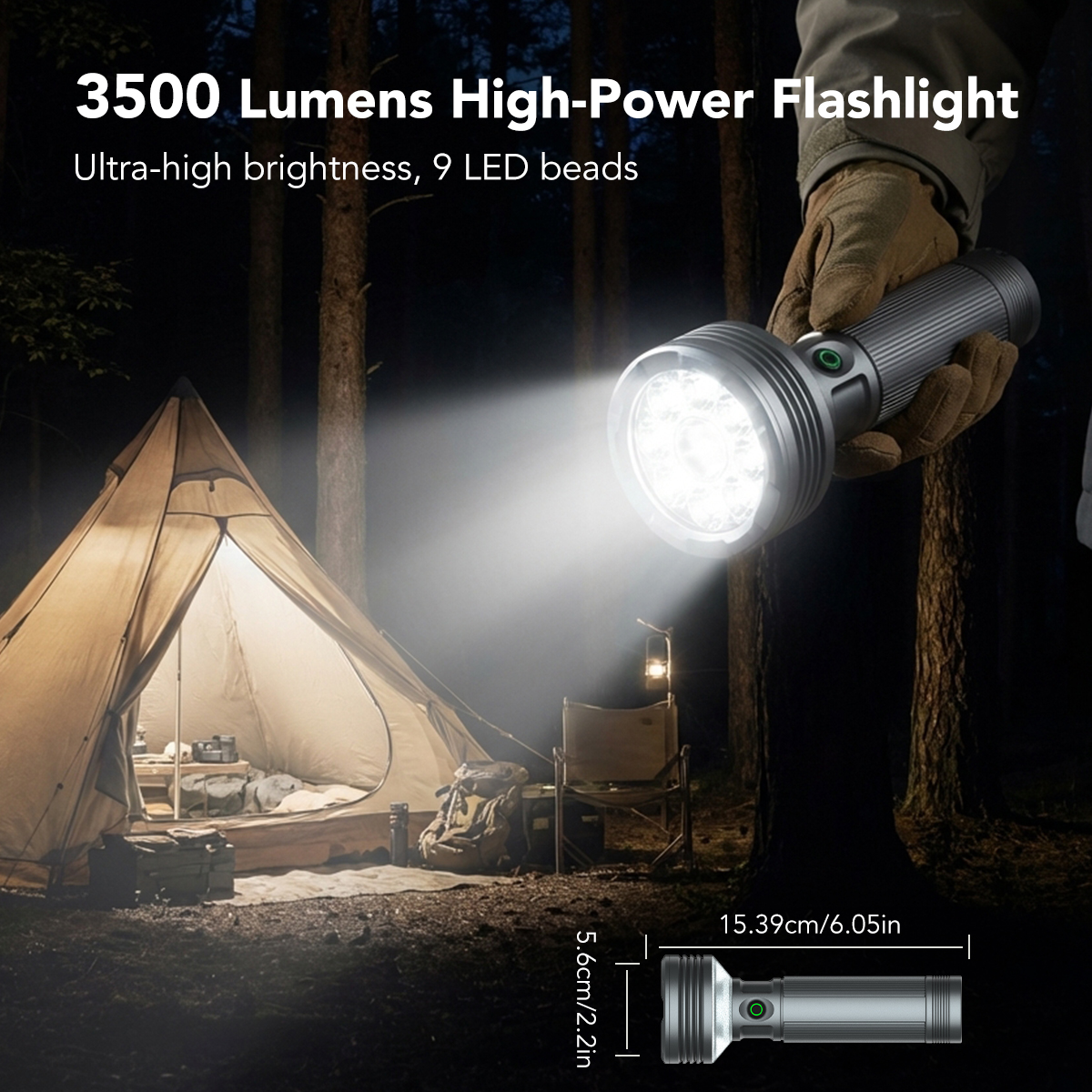
Um diese Feldfehler zu vermeiden, müssen B2B-Beschaffungsfachleute über grundlegende Produktrenderings hinausgehen und bei ihren Lieferantenaudits die strukturelle Metallurgie priorisieren. Ein echtes, schweres WerkHersteller von Camping-Taschenlampenwerden ihre Trägergehäuse aus 6063 Luftfahrtaluminiumlegierung bauen, die mit einer Typ-III-hartanodisierten Schutzbeschichtung behandelt wird. Die Aluminiumlegierung bietet ein hohes Verhältnis von Festigkeit zu Gewicht und natürliche Korrosionsbeständigkeit, während die harteloxierte Schicht eine saphirharte Oberfläche bietet, die vor starken Stürzen und abrasiven Verschleiß schützt und so sicherstellt, dass die interne Elektronik auch bei grober Handhabung geschützt bleibt.
Über die Stoßfestigkeit hinaus spielt das Strukturmaterial eine entscheidende Rolle im Wärmemanagement. Beim Antreiben von leistungsstarken LEDs zur Bereitstellung nützlicher Beleuchtung wird eine beträchtliche Menge elektrischer Energie in Abwärme umgewandelt. Unbehandelte Kunststoffe haben eine sehr geringe Wärmeleitfähigkeit von etwa 0,2 W/m·K, die Wärme in der Kopfhöhle einschließt und einen schnellen Lumenabbau verursacht. Umgekehrt hat 6063-Aluminium eine hohe Wärmeleitfähigkeit von etwa 200 W/m·K, was es dem Metallgehäuse ermöglicht, als integrierter Wärmekörper zu fungieren, der die Wärme von der LED-Abzweigplatte wegleitet, was eine stabile Lichtleistung gewährleistet und vorzeitigen Bauteilausfall verhindert.
Daher müssen die Beschaffungsabteilungen einen strengen Bewertungsprozess einrichten, der unverifizierte Lieferanten von Kunststofftaschenlampen in Verbraucherqualität vermeidet. Überprüfung eines InteressentenHersteller von Camping-Taschenlampenerfordert die Überprüfung ihrer CNC-Bearbeitungskapazitäten und die Überprüfung der Materialspezifikationen, um den Einsatz hochfester, harteloxierter Aluminiumlegierungen zu bestätigen. Die Investition in ein langlebiges, metallbasiertes Werkzeug schützt den Ruf Ihrer Marke, minimiert die Garantierückgaben (RMA) und stellt sicher, dass Ihre Produkte zuverlässig funktionieren, wenn die Nutzer sie vor Ort am dringendsten benötigen.
Die Kälte besiegen: Energiemanagement und Integration von 21700/18650
In Höhen- und Winterumgebungen ist die Batterieleistung ein entscheidender Faktor für die Außensicherheit. Bei niedrigen Temperaturen verlangsamt sich die interne chemische Reaktionsgeschwindigkeit einer Standard-Lithium-Ionen-Batterie, was zu einem starken Anstieg des Innenwiderstands ($R_i$) und einem plötzlichen Spannungsabfall führt. Wenn eine Taschenlampe einen billigen, unregulierten Treiberkreis nutzt, kann dieser Spannungsabfall dazu führen, dass das Gerät vorzeitig abschaltet, sodass der Nutzer mit einer voll aufgeladenen Batterie zurückbleibt, die aufgrund der Kälte vorübergehend keinen Strom liefern kann. Dieses Thema unterstreicht die Bedeutung der Auswahl eines sehr fähigen AnbietersWiederaufladbare CampingbrennerfabrikDas versteht fortgeschrittenes Energiemanagement.
Um diese temperaturbedingten Verluste zu mindern, entwerfen Premium-Hersteller ihre Treiberschaltungen mit hocheffizienten Buck-Boost-Schaltern und smarten Mikrocontroller-Einheiten (MCUs). Diese Konstantstromtreiber sind so konstruiert, dass sie die Batteriespannung und -temperatur in Echtzeit aktiv überwachen und die Treiberparameter so anpassen, dass eine stabile, flackerfreie Lichtleistung auch bei Abfall der Batteriespannung gewährleistet ist. Dieses fortschrittliche Energiemanagement hilft, die Batterieeffizienz zu optimieren, sodass das Gerät eine gleichmäßige Beleuchtung liefern und dutzende Stunden im Energiesparmodus oder Eco-Modus mit einer einzigen Ladung laufen kann.
Darüber hinaus ist die physische Wahl der Batteriezelle ein entscheidender Faktor im Design von Stromsystemen. Während ältere Entwürfe auf kleinere 18650er Zellen setzten, war eine zukunftsorientierteHersteller von Camping-Taschenlampenwerden ihre Werkzeuge so konstruieren, dass sie hochkapazitäge 21.700-Lithium-Ionen-Batterien aufnehmen. Der 21700-Formfaktor bietet eine deutliche Steigerung der Energiedichte und Gesamtkapazität und sorgt für die verlängerten Laufzeiten für mehrtägige Expeditionen. Die Beschaffung einer Treiberplattform, die sowohl 21700- als auch 18650-Zellen unterstützt, gibt Outdoor-Marken die Flexibilität, ihren Kunden vielseitige, hochwertige Leistungsoptionen anzubieten.
B2B-Beschaffungsagenten müssen die Batterieintegrationsstandards eines Lieferanten überprüfen, indem sie deren Testprotokolle und Zellauswahlprozesse überprüfen. Ein angesehenerWiederaufladbare Campingbrennerfabrikwird nur zertifizierte, hochbelastende Zellen mit eingebauten Schutzschaltungen (BMS) beschaffen, um vor Überladen, Überentladung und Kurzschlüssen zu schützen. Diese Sicherheitssysteme verhindern Zellschäden und verringern das Risiko von thermischem Runaway bei starker Nutzung oder extremen Temperaturen, was entscheidend ist, um hohe Sicherheitsstandards in Ihrer Produktlinie aufrechtzuerhalten.
Die Kunst der Vielseitigkeit: Teleskopfokus und optische Technik
Die vielfältigen Bedingungen des Outdoor-Campings erfordern eine äußerst vielseitige Lichtquelle. Ein Nutzer benötigt ein breites, gleichmäßiges Flutlicht, um einen Campingplatz aufzubauen oder ein Zelt zu beleuchten, aber auch einen konzentrierten Scheinwerfer mit großer Wurfweite, um Wege zu navigieren oder Orientierungspunkte aus der Ferne zu finden. Um diese Vielseitigkeit zu gewährleisten, ohne dass Nutzer separate Geräte mitführen müssen, integriert ein Premium-Hersteller von **Camping-Taschenlampen** einen einstellbaren Fokusmechanismus, der oft einen glatten Teleskopmechanismus verwendet, um den Abstand zwischen der optischen Linse und dem LED-Emitter zu verändern.
Die Entwicklung eines teleskopischen Zoommechanismus, der zuverlässige Wasserdichtheit gewährleistet, ist eine komplexe mechanische Herausforderung. Billig gefertigte, zoombare Taschenlampen haben oft lockere, klappernde Toleranzen, die es Staub, Sand und Regenwasser ermöglichen, leicht in das innere Gehäuse einzudringen, was den elektronischen Treiber schnell korrodieren und zu einem Geräteausfall führen kann. Um dies zu verhindern, setzen führende Hersteller hochpräzise CNC-Bearbeitung ein, um eine enge, präzise Passung zwischen den gleitenden Komponenten zu gewährleisten und die dynamische Schnittstelle mit maßgefertigten, reibungsintensiven O-Ringen abzudichten, die die Wasserdichtheit erhalten und gleichzeitig sanfte, einhändige Fokussierungen ermöglichen.
Das Design der optischen Linse ist ein weiterer entscheidender Faktor für eine saubere, effiziente Strahltranslation. Standardkonvexe Linsen können erhebliche Brechungsverluste verursachen und unregelmäßige Strahlmuster mit scharfen Rändern und dunklen Ringen erzeugen. Ein führender **Outdoor-Taschenlampenlieferant** entwirft maßgeschneiderte, hochreine PMMA- oder optische Polycarbonatlinsen, die die Lichtdurchlässigkeit optimieren. Diese Objektive sind so konstruiert, dass sie den maximalen Lichtfluss erfassen und projizieren, sodass sie bei Weitfokus ein gleichmäßiges, artefakfreies Flutlicht sowie einen sauberen, hochkonzentrierten Hotspot bieten, wenn sie auf die Distanz fokussiert sind.
Bei der Bewertung potenzieller Lieferanten sollten Beschaffungsfachleute die mechanischen Fokusbaugruppen und Zoom-Dämpfungsprofile der Mustereinheiten inspizieren. Ein gut konstruierter Fokusmechanismus sollte sanft gleiten lassen, ohne Spiel oder Klappern, und seine Fokusposition auch bei Vibrationen oder körperlichen Aufprallen halten. Die Beschaffung von einem Hersteller, der dieses Gleichgewicht optomechanischer Präzision gemeistert hat, sorgt dafür, dass Ihre Produkte ein zuverlässiges, leistungsstarkes Erlebnis bieten, das Markentreue stärkt und Kundenrückgaben reduziert.
Den Sturm überstehen: Wahre ANSI/NEMA FL1-Standards
Der globale Markt für Außenbeleuchtung steht vor anhaltenden Herausforderungen mit übertriebenen Leistungsbehauptungen, insbesondere von nicht verifizierten Anbietern, die ihre Lumen- und Laufzeitspezifikationen übertreiben. Die Beschaffung von einem nicht geprüften **Camping-Taschenlampenhersteller** führt oft dazu, dass Produkte nur einen Bruchteil der beworbenen Leistung liefern und bei dunklen oder regnerischen Trails ausfallen. Um diese Leistungslücken zu vermeiden, müssen professionelle Outdoor-Marken mit Herstellern zusammenarbeiten, die ihre Leistungskennzahlen mit standardisierten, überprüfbaren Testprotokollen validieren.
Der Industriestandard zur Überprüfung der Leistung tragbarer Beleuchtung ist der ANSI/NEMA FL1-Standard, der klare, standardisierte Richtlinien zur Messung der Laufzeit, der Spitzenstrahlintensität (Candela), der Strahlentfernung, der Aufprallfestigkeit und des Wasserschutzes bietet. Ein zuverlässiger, hochwertiger **Outdoor-Taschenlampenlieferant** betreibt voll ausgestattete, hauseigene Testlabore und liefert nachverfolgbare Testdaten für alle Designs. Jeder Anbieter, der diese verifizierten ANSI/NEMA FL1-Testberichte nicht liefern kann, sollte mit Vorsicht behandelt werden, da mangelnde Transparenz im Testen ein hohes Risiko eines Produktversagens im Einsatz darstellt.
Die Durchführung dieser Leistungs- und Haltbarkeitstests erfordert spezialisierte, hochpräzise Ausrüstung. Eine qualifizierte Fabrik muss integrierende Kugeln zur Messung des Gesamtlichtflusses, Goniophotometer zur Kartierung der räumlichen Lichtverteilung und Salzsprühkammern zur Korrosionsbeständigkeit verwenden. Die Beschaffung von einem Hersteller mit eigenen Laboren ist unerlässlich, um Qualitätsrisiken zu minimieren und sicherzustellen, dass Ihre Produkte bei jeder Produktionscharge professionelle Standards erfüllen, wodurch Ihre Marke vor negativen Bewertungen und hohen Rückgabequoten geschützt wird.
Zusätzlich müssen tragbare Beleuchtungsgeräte, die in Wildnis-Überlebens- und Campinganwendungen verwendet werden, so konstruiert werden, dass sie schweren physischen Einflüssen und chemischen Einflüssen standhalten. Ein führender **Camping-Taschenlampenhersteller** führt ASTM B117 Salzspraytests und Mehrwinkel-Droptests an seinen Gehäusen durch, um die langfristige Haltbarkeit zu überprüfen. Die Prüfung eines Lieferanten sollte stets eine Überprüfung seiner Umweltbelastungstestprotokolle und der Kalibrierungsprotokolle der Geräte beinhalten, um sicherzustellen, dass Ihre Produkte auch nach Jahren aktiver Nutzung in extremen Außenumgebungen langlebig und funktionsfähig bleiben.
Stärkung Ihrer Outdoor-Marke mit einem zuverlässigen professionellen Taschenlampenlieferanten
Für globale Outdoor-Marken, Händler für taktische Ausrüstung und Händler von Campingausrüstung ist die Wahl eines primären Produktionspartners eine strategische Entscheidung, die das Kundenvertrauen und den Markenwert direkt beeinflusst. Der professionelle Outdoor-Markt erfordert zuverlässige, langlebige und nach hohen Standards gefertigte Ausrüstung. Die Lieferung schlecht entwickelter Werkzeuge, die unter Stress ausfallen, kann zu negativen Nutzerbewertungen, hohen Rückgabequoten und dauerhaften Schaden für den Ruf Ihrer Marke führen – was die Bedeutung einer Zusammenarbeit mit einem zuverlässigen, qualitätsorientierten Hersteller unterstreicht.
Ein echter Fertigungspartner muss robuste technische Unterstützung bieten, einschließlich individueller Designoptimierung und schneller Prototyping-Fähigkeiten. In Industriemärkten mit hohem Mix und geringem Volumen müssen Händler oft Funktionen wie Treiber-UI-Programmierung, dynamische teleskopische Dämpfung und individuelle Markenbildung anpassen, ohne gezwungen zu sein, große Erstaufträge zu tätigen. Ein erstklassiger **professioneller Taschenlampenlieferant** ausgestattet mit fortschrittlichen CNC-Bearbeitungszentren und Hoch-/Niedrigtemperatur-Simulationslaboren kann Produktionslinien schnell anpassen und hochpräzise Proben liefern, was Marken hilft, neue Produkte mit minimalem Marktrisiko zu testen und auf den Markt zu bringen.
Darüber hinaus ist konsequente Qualitätskontrolle die Grundlage jeder erfolgreichen B2B-Partnerschaft. Ein führender Hersteller muss den gesamten Produktionsablauf kontrollieren, von der Erstbearbeitung und Oberflächenanodisierung bis hin zur finalen optischen Montage im Reinraum und der wasserdichten Prüfung. Das interne Management dieser kritischen Prozesse ermöglicht es dem Ingenieurteam, Toleranzen in jeder Phase zu überwachen, die Rückgavorraten (RMA) niedrig zu halten und sicherzustellen, dass jede Charge Taschenlampen eine gleichmäßige, leistungsstarke Beleuchtung liefert, die den strengsten Anforderungen vor Ort entspricht.
Bei Shengqi Lighting verbinden wir jahrzehntelange umfassende ingenieurtechnische Erfahrung mit fortschrittlicher, automatisierter Montage und strenger Qualitätskontrolle. Unsere internen F&E-, Bearbeitungs- und Testfähigkeiten ermöglichen es uns, maßgeschneiderte, leistungsstarke Beleuchtungswerkzeuge zu entwickeln, die den härtesten Anforderungen vor Ort gerecht werden. Egal, ob Sie Ihren bestehenden Werkzeugkatalog erweitern oder eine neue Linie von langlebigen Campinglampen entwickeln möchten – unser Ingenieurteam ist bereit, maßgeschneiderte Lösungen zu liefern, die Ihrem Unternehmen zum Erfolg verhelfen.
Bereit, die nächste Hochleistungs-Camping-Taschenlampe Ihrer Marke zu entwickeln?
Hören Sie auf, den Ruf Ihrer Marke bei empfindlichen Kunststoffen und instabilen Batterien zu riskieren. Arbeiten Sie mit Shengqis Ingenieurteam zusammen, um maßgeschneiderte, CNC-gefertigte, teleskopische Zoom-Taschenlampen zu bauen, die für absolute Zuverlässigkeit in extremen Umgebungen entwickelt wurden.
Konsultieren Sie unsere Campinglicht-Designingenieure